


Maurene Comey’s DOJ Lawsuit Handed Major Court Victory
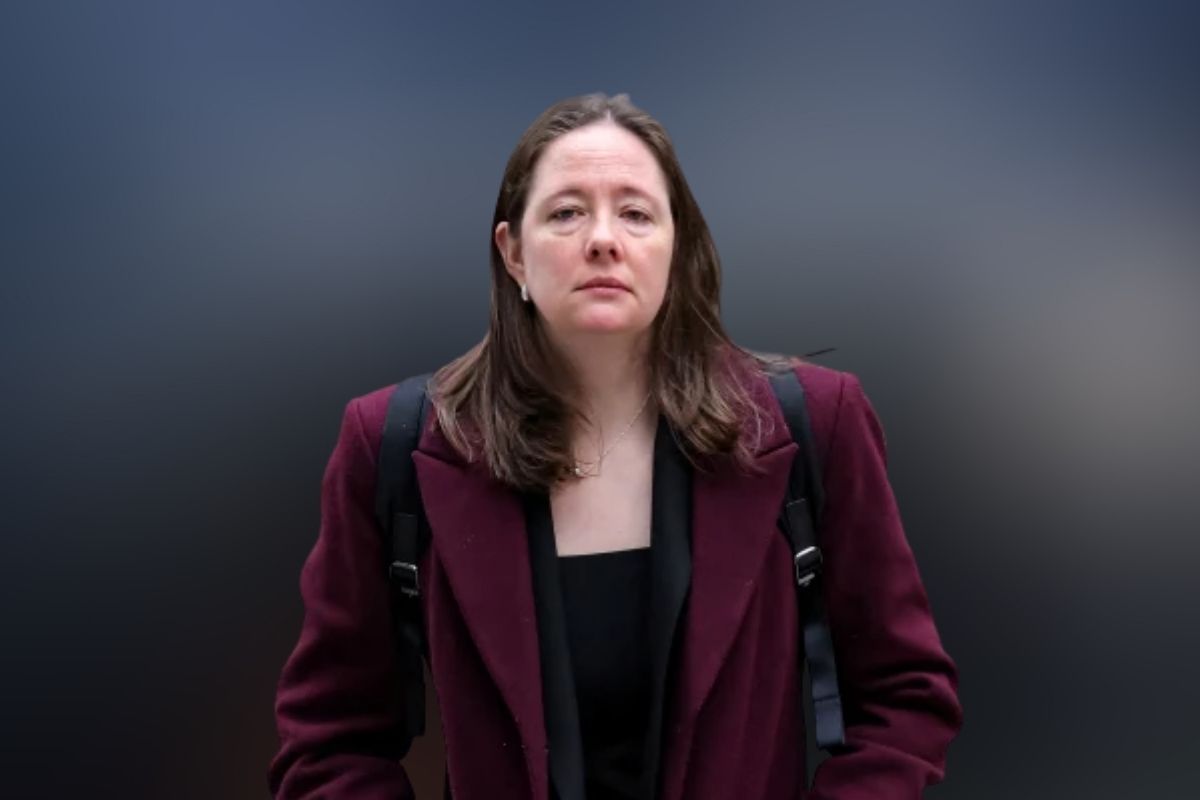
A federal judge in New York has permitted former federal prosecutor Maurene Comey’s high-stakes wrongful termination action against the Department of Justice (DOJ) to go forward in open court. U.S. District Judge Jesse M. Furman rebuffed the Trump administration’s vigorous push to dismiss or deflect the case, setting up what legal academics regard as a momentous clash over presidential power and rights for career civil servants.
Background of the Case
Maurene Comey, daughter of former FBI Director James Comey, worked for over ten years as an Assistant U.S. Attorney in the Southern District of New York (SDNY). During her stint in office, she was highly praised and had regularly “outstanding” performance reports. She notably led the high-profile trials of convicted sex offender Jeffrey Epstein, his colleague Ghislaine Maxwell, and music tycoon Sean “Diddy” Combs.
She was fired suddenly in July 2025, the day after her managers requested her to take over a big public corruption investigation, according to court pleadings, which included an email from DOJ headquarters. One phrase notice said she was being removed, effective immediately, ‘pursuant to Article II of the Constitution and the statutes of the United States.’ When she asked acting U.S. attorney Jay Clayton to explain, he allegedly said: “All I can say is it came from Washington. I can’t tell you anything else. “
Comey formally filed her federal civil case on September 15, 2025, against the Department of Justice, the Executive Office of the President, and the Office of Personnel Management (“Case: Comey v. United States Department of Justice,” 2026).
The Central Claims and Political Allegations
Comey’s lawyers contend that her firing was merely an act of political revenge, related to President Trump’s boiling public hatred of her father. Trump sacked FBI Director James Comey in 2017, and the President has repeatedly attacked him in public for overseeing investigations into links between Russia and the 2016 Trump campaign.
The complaint rests on four principal legal claims:
- Civil Service Protections: Comey was a career employee of the federal government, and she claims that her termination violated statutory civil service standards that demand advance notice, documented reason, and an opportunity to react.
- First Amendment Retaliation: The complaint states that the termination came right after the targeted online “pressure campaign” by right-wing influencer Laura Loomer, who publicly demanded that the new officials fire Comey, given her family connections (“Case: Comey v. United States Department of Justice”, 2026).
- Separation of Powers: The action challenges the administration’s use of “Article II” presidential authority to unilaterally defy merit-system provisions passed by Congress.
The Federal Court Ruling
The Trump administration has sought to have the lawsuit dismissed from the federal district court, saying that federal employment conflicts must proceed only via the Merit Systems Protection Board (MSPB), an administrative agency that rules on civil service claims.
But in a fundamental sense, Judge Jesse Furman dissented. In a 27-page judgment, Furman determined the matter was outside the normal administrative loop because the DOJ expressly ignored civil service regulations and instead relied only on the president’s Article II executive authority to remove her.
“Comey’s case is outside the universe of cases that Congress intended the MSPB to resolve by virtue of the fact that the defendants rely solely on the Constitution, and not on the removal provisions of the [Civil Service Reform Act].” Judge Furman wrote.
“On all counts an exemplary Assistant United States Attorney,” Furman said, and placing her into an administrative panel would deprive her of meaningful judicial scrutiny on core constitutional separation-of-powers problems. After the judgment, Comey’s attorneys said they were “thrilled” to challenge her “lawless, unconstitutional termination” in a federal court.
Why this Case Matters
Legal experts are watching Comey v. Department of Justice as a litmus test for the modern government workforce. Her ouster was part of a larger purge of independent inspectors general, independent commissioners, and federal prosecutors that has led to widespread fears of politicization of the civil service.
If the administration’s expansive reading of Article II prevails, it may set a legal precedent for the White House to evade the 1978 Civil Service Reform Act and remove professional, non-political federal officials at will. Judge Furman’s judgment allows discovery to proceed, perhaps requiring the administration to disclose who ordered Comey’s sudden removal.