


Pancreatic Cancer: Can It Be Cured? What You Should Know
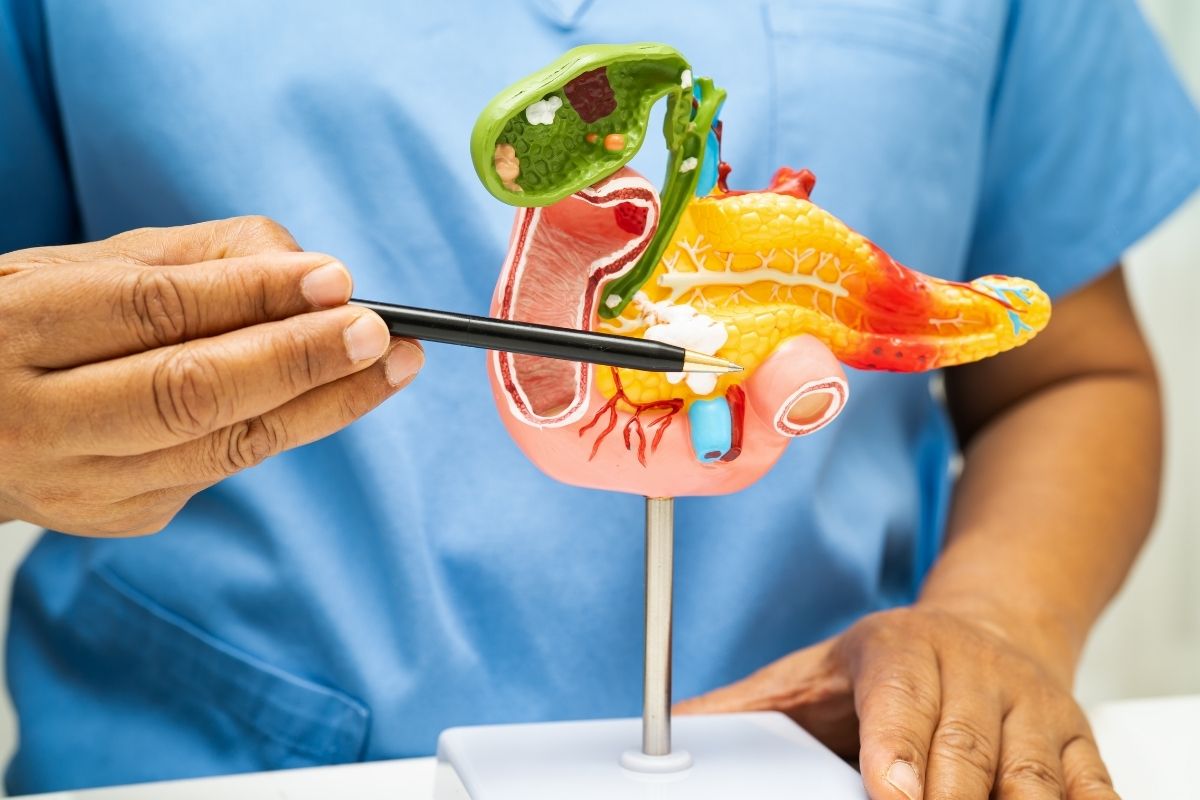
Pancreatic cancer is one of the most aggressive and lethal forms of cancer. Unlike many other cancers that can be detected early and treated successfully, pancreatic cancer often shows no symptoms until it is advanced — which is why survival rates remain low worldwide.
What Is Pancreatic Cancer?
The pancreas is an organ located behind the stomach that helps with digestion and blood sugar regulation. Pancreatic cancer occurs when cells in the pancreas grow out of control. The most common type (~93%) is pancreatic ductal adenocarcinoma (PDAC), which develops in the ducts of the pancreas and is particularly challenging to treat.
Current Reality: Cure vs Control
The term “cure” in cancer generally means the cancer is completely gone and never returns. With pancreatic cancer today:
- The overall 5-year survival rate is only around 10–12%, largely because most cases are diagnosed at advanced stages.
- When pancreatic cancer is found early and is still confined to the pancreas, surgery offers the best chance for a cure. Complete surgical removal of the tumor can lead to long-term survival, especially when followed by additional therapy.
- Fewer than 20% of patients have tumors that can be removed at diagnosis. Even after surgery, the cancer can return.
So while a true cure is possible in early, stage-localized disease, it remains rare in advanced pancreatic cancer.
Standard Treatments Today
Here are the main treatment approaches for pancreatic cancer currently:
1. Surgery (Resection)
Surgical removal of the tumor is the only established curative treatment for pancreatic cancer. Procedures vary depending on tumor location, including:
- Whipple procedure (pancreaticoduodenectomy)
- Distal pancreatectomy
- Total pancreatectomy
Advances in surgical techniques and perioperative care in high-volume centers have improved safety and outcomes, but the success of surgery still depends heavily on early detection.
2. Chemotherapy
Chemotherapy uses drugs to kill cancer cells and is a cornerstone of pancreatic cancer care. Common regimens include:
- FOLFIRINOX — a combination of four drugs that can extend survival but has significant side effects.
- Gemcitabine plus nab-paclitaxel — another frequently used combination.
Chemotherapy may be given before surgery (to shrink the tumor), after surgery (to kill remaining cancer cells), or for advanced disease to slow progression.
3. Immunotherapy and Targeted Therapy
These newer approaches work by either stimulating the body’s immune system to attack the cancer or targeting specific genetic changes in cancer cells.
- Certain immunotherapies (like PD-1 inhibitors) work for specific sub-types of pancreatic cancer with particular genetic features.
- New targeted drugs aim at mutated genes like KRAS, which are found in over 90% of pancreatic cancers and are a major focus of research.
These therapies are not yet widely effective for most pancreatic cancer patients, but clinical trials continue to explore their potential.
Exciting Research and Future Directions
Scientists around the world are working on novel approaches that go beyond standard treatments. While none are yet proven cures in humans, several are promising:
Breakthrough Lab Results
A Spanish research team recently developed a triple-drug therapy that completely eliminated aggressive pancreatic tumors in mice with no relapse and minimal side effects. While this is early and preclinical (not yet tested in humans), the findings give renewed hope for future therapies.
Cancer Vaccines
Experimental cancer vaccines are being tested to prevent recurrence after surgery by training the immune system to recognize and attack remaining cancer cells. Early trials targeting KRAS mutations have shown encouraging immune responses in patients.
Early Detection Tests
Detecting pancreatic cancer early greatly improves the chance of cure. New blood tests from companies like BCAL Diagnostics show promise for detecting cancer years before symptoms appear, which could transform outcomes.
AI and Precision Medicine
Artificial intelligence (AI) methods are also being explored to enhance early detection and imaging, potentially identifying tumors that current technology misses. These tools may improve diagnosis when cancer is most treatable.
Why Is a Cure Hard?
Pancreatic cancer is challenging for several reasons:
- It often causes no symptoms until the late stages.
- It responds poorly to traditional chemotherapy compared with other cancers.
- The tumor environment (dense tissue and immune-suppressive microenvironment) blocks many drugs from reaching cancer cells.
That’s why most research focuses not just on treatments but also on improving early detection and personalized medicine — approaches that may finally make pancreatic cancer more curable in the future.
Clinical Trials: A Path Forward
Because conventional treatments often fall short, clinical trials offer access to cutting-edge therapies that are not yet widely available. These can include:
- New targeted drugs
- Immunotherapy combinations
- Personalized cancer vaccines
Medical oncologists and cancer centers can help patients find trials for which they may qualify. Many major institutions and cancer registries maintain searchable databases for this purpose. Participation in clinical research can not only help individuals but also advance science for everyone.
Summary
Pancreatic cancer remains one of the toughest cancers to cure, but surgery, chemotherapy, and cutting-edge research are improving outcomes. Early detection and personalized treatment — including participation in clinical trials — are critical for better chances of long-term survival.
If you or a loved one is dealing with pancreatic cancer, always consult a specialist oncologist for individualized care and discuss emerging therapies or trials.
Frequently Asked Questions (FAQs)
Can pancreatic cancer ever be cured?
Yes — but mainly when detected early and treated with complete surgical removal of the tumor followed by systemic therapy. Most advanced cases remain very difficult to cure.
What is the best current treatment?
Surgery offers the best chance for cure in eligible patients. Systemic therapy (like chemotherapy) and targeted/immunotherapy are used alongside or when surgery isn’t feasible.
Are there new treatments coming?
Yes — including KRAS-targeting drugs, cancer vaccines, and novel combinations of therapies currently in clinical trials.
How important is early detection?
Extremely. Detecting pancreatic cancer before it spreads greatly increases the chances of successful treatment and long-term survival.
Should patients consider clinical trials?
Absolutely. Clinical trials often offer access to cutting-edge treatments that may be more effective than standard options.