


Are Electric Vehicles Worth It for City Driving?
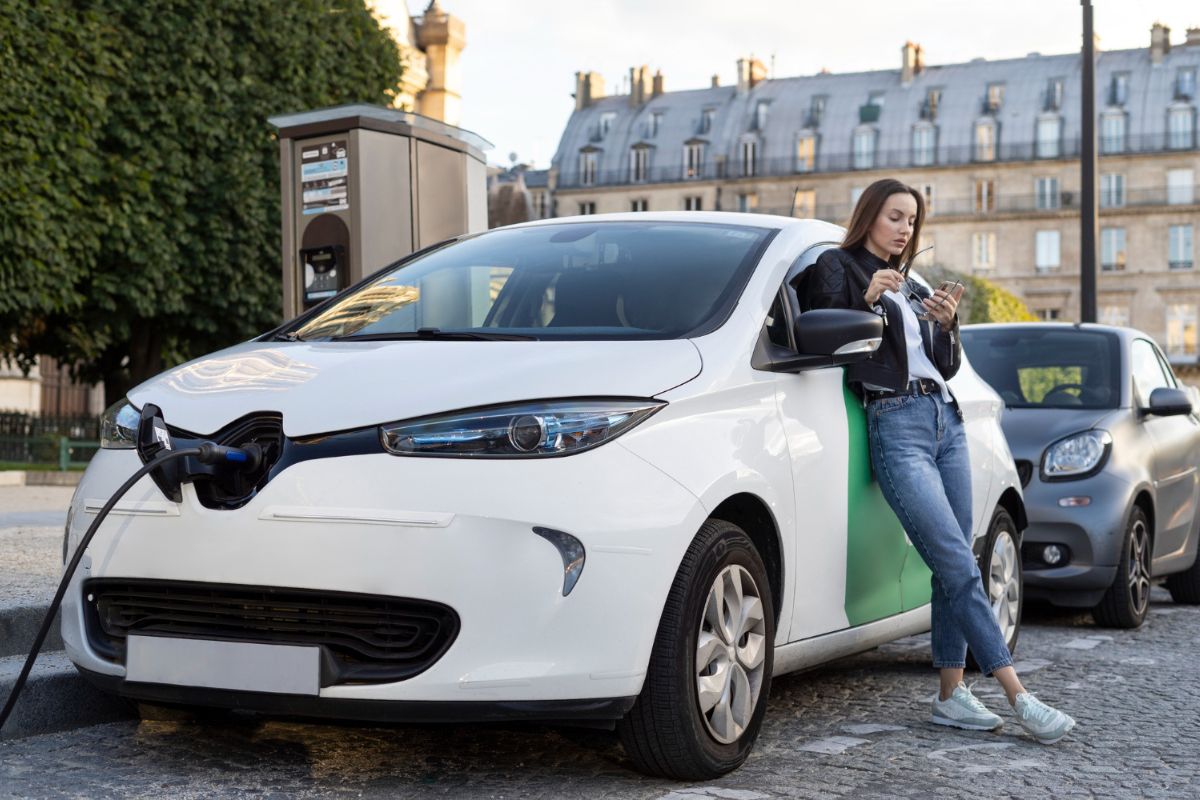
Electric Vehicles (EVs) have come a long way from being niche solutions to being widely discussed alternatives for commuting in cities. As fuel costs continue to rise, emissions standards become increasingly strict, and the word sustainability becomes synonymous with the environment, manyUrban dwellers are starting to question whether an EV is the right vehicle for their daily commute. But are Electric Vehicles really worth it? Help us find out below!
Understanding Electric Vehicles
Electric vehicles run solely on electricity from their batteries, unlike other vehicles that run on fuel sources like petrol or diesel. Generally, there are three styles of electric cars:
- Battery Electric Vehicles (BEVs) – Fully electric, use no fuel.
- Plug-in Hybrid Electric Vehicles (PHEVs) – Electric motor with a fallback fuel motor.
- Hybrid Electric Vehicles (HEVs) – Run on fuel mostly but assisted by electric motors for greater efficiency.
In urban commuting, Battery Electric Vehicles and Plug-in Hybrid Electric Vehicles are the most appropriate alternatives because they enable zero-emission short-range travel.
Advantages of EVs in Urban Areas
1. Reduced Operating Costs
City driving is characterized by frequent stops and slow speeds. In such driving, electric vehicles have a major advantage because, with every braking action, additional energy is reclaimed through regenerative braking. Electricity consumption per kilometer is less in electric vehicles, thus resulting in substantial long-term cost savings compared with gasoline or diesel vehicles.
2. Reduced Maintenance
Electric vehicles have fewer components than other vehicles. There is no engine oil to be changed, fewer parts to wear out, and less brake workload due to the regeneration process. For city drivers, this means lower maintenance and fewer visits to the repair shops.
3. Environmentally Friendly
City traffic is also one of the major contributors to the levels of air pollution. EVs do not emit any tailpipe emissions. Such emissions significantly impact the levels of air pollution in the city. By cutting down the emission of CO2 in densely populated areas, cities can become healthier.
4. Quiet and Comfortable Driving
Urban roads could prove noisy and congested. EVs function almost silently. Noise pollution is reduced for both the driver and pedestrians. Smooth acceleration and instant torque ensure that stop-and-go traffic does not stress a driver.
5. Government Incentives
A number of governments offer incentives like tax breaks, rebates, and toll exemptions/congestion charges for people who purchase EVs. For a city where traffic rules and regulations are stern, EVs become more economical compared to conventional vehicles.
Issues With EVs in an Urban Environment
Although there are many advantages, there can be various factors that influence the feasibility of EVs in urban transportation.
1. Charging Infrastructure
Residents in city areas who do not have a dedicated parking space may face difficulties in accessing charging stations. Even in many city areas where charging stations are being developed intensively, accessibility still depends on the region. It is necessary to chart routes based on charging stations, especially in the case of PHEVs or BEVs with smaller batteries.
2. Initial Purchase Cost
EVs are more expensive in the initial stage when compared to the same model gasoline or diesel vehicles. Nevertheless, taking the cost of operation as well as the subsidy factor into consideration, the cumulative cost of ownership amortizes in a few years.
3. Battery Degrad
Batteries tend to reduce their range with time. For city driving, while it is easier on the batteries since it is short-range driving every day, it is still essential that one is aware that it will be costly to replace them.
4. Limited Range Concerns
While urban driving distances are shorter compared to intercity driving, some owners still worry about running out of mileage. Although current EV models have ranges that adequately support daily commutes to work, driving long distances sometimes poses concerns to owners.
Also Read: Best Gaming Accessories Every Gamer Should Own
Are EVs Superior to Petrol/Diesel Cars in Cities?
City driving is especially conducive to the benefits that come with EVs. This is because stop-and-go driving patterns in cities mean that EVs are more fuel-efficient than gas-powered automobiles. The opposite happens in petrol or diesel-powered cars in stop-and-go city driving.
Further, EVs result in less noise and air pollution, meeting the objectives of sustainable and healthy development that are sought after in the city. EVs might prove valuable for city residents who pay congestion charges or live in areas where there are restricted zones for pollutant vehicles.
EV Buying Tips for Urban Use
- Evaluate Daily Range Needs – A mileage radius of 150 to 300 kilometers can be achieved with a single charge for a majority of new EVs, which can easily cover
- Check Charging Options – Make sure that charging can be done at a local charging station or at home.
- Comes with Battery Warranty – The manufacturing warranties range between 8 and 10 years; this brings comfort to commuters who get to ride daily.
- Search for Compact Designs – Compact EVs are easier to park and navigate when parking in urban streets. EVs should never lose any of the benefits offered by contemporary
- Review Incentives – Remember to include any incentives like fuel subsidies, tax credits, or perks such as free parking.
Conclusion
Pure electric cars offer benefits for city use, like lower operating costs, less noise, and better cleanliness. Electric vehicles fit urban areas well, even though initial costs and charging station access can be problems.
Your commuting needs and charging station availability will influence your choice. For many city dwellers, electric cars are more than practical. They offer a cleaner, brighter, and more affordable way to live in the city.
In today’s changing transport landscape, EVs are not a future dream—they are a real option for urban commuters now.