

Happy Juneteenth 2026: History, Meaning, and How America Celebrates
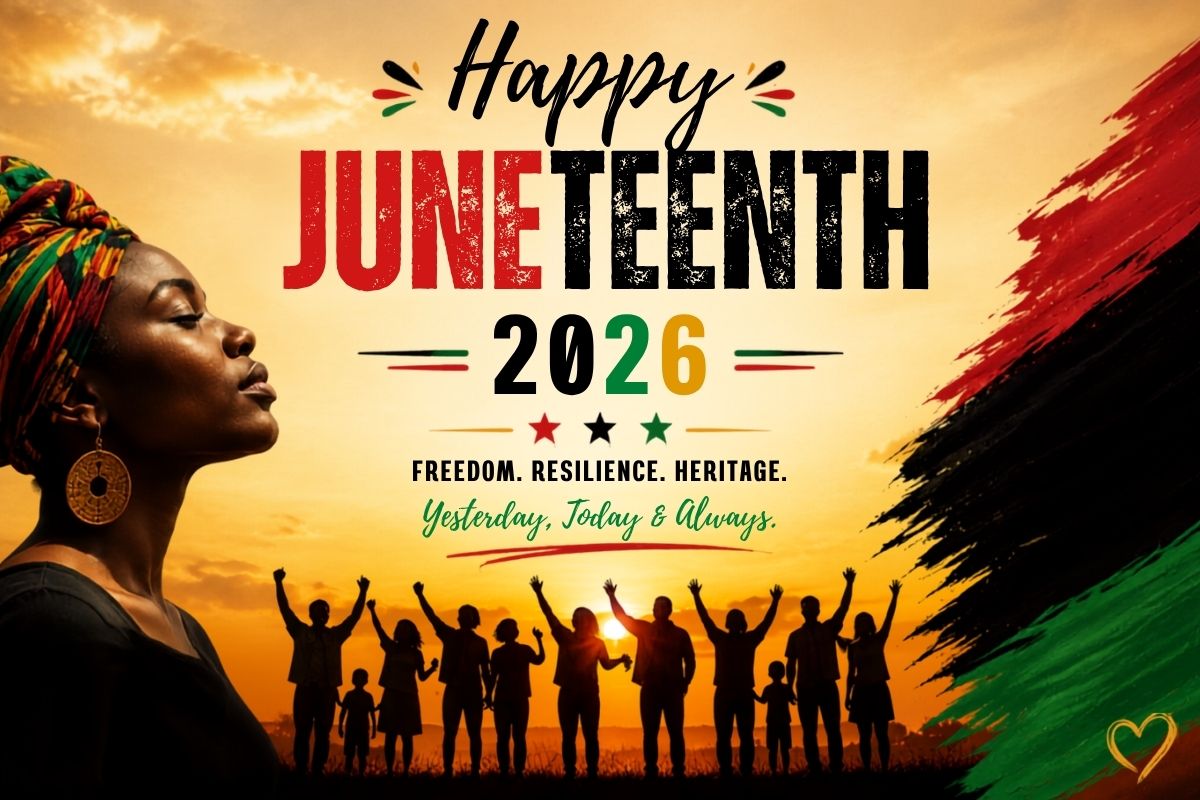
Juneteenth — celebrated every June 19 — marks the day in 1865 when enslaved people in Galveston, Texas, finally learned they were free, more than two years after the Emancipation Proclamation. In 2026, Juneteenth falls on Friday, June 19, and remains a U.S. federal holiday, now in its fifth year of official recognition.
Key Takeaways
- Juneteenth 2026 falls on Friday, June 19 — a federal holiday since 2021.
- The holiday commemorates June 19, 1865, when Union soldiers arrived in Galveston, Texas, delivering the news of emancipation.
- President Abraham Lincoln signed the Emancipation Proclamation on January 1, 1863 — but enforcement was delayed in Texas until Union troops arrived.
- Juneteenth is also called Emancipation Day, Freedom Day, and Jubilee Day.
- Events across the U.S. include festivals, parades, educational panels, and community cookouts.
- The holiday carries deep cultural significance for Black Americans and is increasingly embraced as a national day of reflection.
Introduction
Every year on June 19, Americans pause to mark one of the most profound moments in U.S. history. Happy Juneteenth 2026 is more than a greeting — it’s an invitation to understand a story of delayed justice, resilience, and enduring freedom.
Juneteenth has existed in Black American communities for over 150 years. But since President Joe Biden signed it into federal law on June 17, 2021, it has grown into a widely observed national observance. As the country marks Juneteenth 2026, the day carries fresh relevance in ongoing conversations about equality, civil rights, and American identity.
Here’s everything you need to know — the history, the meaning, and the best ways to honor it.
What Happened on June 19, 1865?
On that date, Major General Gordon Granger arrived in Galveston, Texas, with Union soldiers and read General Order No. 3. The order announced that all enslaved people in Texas were free.
This was not breaking news to Washington. President Lincoln had issued the Emancipation Proclamation nearly two and a half years earlier, on January 1, 1863. But the proclamation had little real effect in Confederate states where Union authority was absent — including Texas.
It took the end of the Civil War and boots on the ground to make freedom real for approximately 250,000 enslaved people in Texas.
Why Was There Such a Long Delay?
Several factors explain the gap:
- Confederate resistance — Texas was one of the last Confederate strongholds.
- Lack of Union enforcement — Without soldiers present, plantation owners had no obligation to comply.
- Deliberate suppression — Some historians document that enslavers withheld the news to extract one final cotton harvest.
That delay is part of why Juneteenth carries such emotional weight. Freedom existed on paper for years before it reached those it was meant to protect.
Juneteenth Becomes a Federal Holiday
Juneteenth celebrations date back to 1866 in Texas, just one year after General Granger’s announcement. The tradition spread across the country as Black Americans migrated north and west during the Great Migration of the early 20th century.
Texas became the first state to officially recognize Juneteenth as a state holiday in 1980, thanks largely to the advocacy of State Representative Al Edwards.
For decades, activist and educator Opal Lee — often called the “Grandmother of Juneteenth” — campaigned tirelessly for federal recognition. She began her symbolic 2.5-mile walks at age 89, representing the two-and-a-half-year delay in emancipation.
Her efforts paid off. On June 17, 2021, President Biden signed the Juneteenth National Independence Day Act into law, making it the 12th federal holiday and the first new one since Martin Luther King Jr. Day was established in 1983.
Opal Lee was present at the signing. She was 94 years old.
Also Read: Mormon Church Beliefs: A Comprehensive Guide to LDS Faith and Doctrine
Juneteenth 2026: What to Expect This Year
Key Date and Context
Juneteenth 2026 lands on Friday, June 19 — making it a natural long weekend for many Americans. Federal offices, banks, and many businesses will be closed.
How People Celebrate
Celebrations vary widely, but they share a common spirit of joy, memory, and community.
- Community Cookouts: Gatherings with food, music, and family — a core tradition since the 1800s
- Red Foods & Drinks: Strawberry soda, red velvet cake, and hibiscus drinks honor West African culinary roots
- Festivals & Parades: Major cities host public events, concerts, and cultural expos
- Educational Programs: Schools, museums, and libraries hold panels and exhibitions
- Acts of Service: Many observe the day through volunteering and supporting Black-owned businesses
Cities With Major Juneteenth Events
Cities like Houston (where Emancipation Park — built by freed people in 1872 — still stands), Atlanta, Chicago, Washington D.C., and Oakland host some of the largest and most historic Juneteenth events in the country.
Why Juneteenth Still Matters in 2026
More Than a Holiday
Juneteenth isn’t only about 1865. It prompts Americans to ask hard questions: How do we reckon with history? What does freedom mean when it arrives late — or incompletely?
The holiday sits at the center of ongoing national conversations about racial equity, the legacy of slavery, and civil rights. In recent years, school curricula, corporate diversity programs, and public memorials have all been shaped by a renewed focus on this history.
The Economic and Cultural Impact
According to the National Retail Federation, Juneteenth consumer spending has grown each year since federal recognition. In 2024, surveys showed more than 60% of Americans were aware of Juneteenth, up sharply from under 50% just three years earlier.
Black-owned businesses — from restaurants to bookstores to apparel brands — often see their highest traffic of the year during Juneteenth week.
Expert Insights
Dr. Annette Gordon-Reed, Pulitzer Prize-winning historian and author of On Juneteenth (2021), has written that the holiday forces a confrontation with “the distance between America’s ideals and its actions.” She argues the date is essential not as a day of guilt, but as a moment of honest national reflection.
Opal Lee herself has said that Juneteenth should not be a day only for Black Americans — it should be a day all Americans celebrate, because freedom is universal.
That spirit of shared meaning defines how many communities approach Juneteenth today.
Also Read: 10 Best Shows on HBO Max 2026 You Must Watch This Weekend
Conclusion
Happy Juneteenth 2026 carries the same truth it always has — freedom delayed is still worth celebrating when it finally arrives. This Friday, June 19, marks not just a federal holiday but a living piece of American history.
Understanding Juneteenth means understanding that dates on paper matter far less than the lived reality of the people those dates were meant to protect. In 2026, as the holiday enters its fifth year of federal recognition, it continues to grow in meaning, participation, and relevance.
Whether you attend a festival, cook a family meal, pick up a history book, or simply pause to reflect — honoring Juneteenth is honoring the full, complicated, ongoing story of American freedom.
FAQs
1. What day is Juneteenth in 2026?
Juneteenth 2026 falls on Friday, June 19, 2026. It is a federal holiday in the United States.
2. What does “Juneteenth” mean?
The word “Juneteenth” is a blend of “June” and “nineteenth.” It refers to June 19, 1865, the date freedom was announced to enslaved people in Texas.
3. Is Juneteenth a federal holiday?
Yes. President Biden signed the Juneteenth National Independence Day Act on June 17, 2021, making it an official U.S. federal holiday.
4. Why is red food associated with Juneteenth?
Red foods and drinks — like hibiscus tea, red soda, and strawberry desserts — trace back to West African culinary traditions brought to America by enslaved people. They have been part of Juneteenth celebrations since the 19th century.
5. Who is Opal Lee?
Opal Lee is a civil rights activist from Fort Worth, Texas, known as the “Grandmother of Juneteenth.” Her decades-long campaign for federal recognition was instrumental in the 2021 legislation.
6. How is Juneteenth different from Independence Day (July 4th)?On
July 4, 1776, the Declaration of Independence was declared, but that freedom did not extend to enslaved people. Juneteenth marks the moment when that promise — however imperfectly — finally reached everyone. Many see the two holidays as complementary.
7. How can I celebrate Juneteenth meaningfully?
Attend a local Juneteenth event, read books by Black historians and authors, support Black-owned businesses, or simply take time to learn the history and share it with others.
8. What is the Emancipation Proclamation?
It was an executive order issued by President Abraham Lincoln on January 1, 1863, declaring enslaved people in Confederate states “forever free.” It was a legal and moral turning point — but enforcement required Union military presence, which Texas lacked until June 19, 1865.